
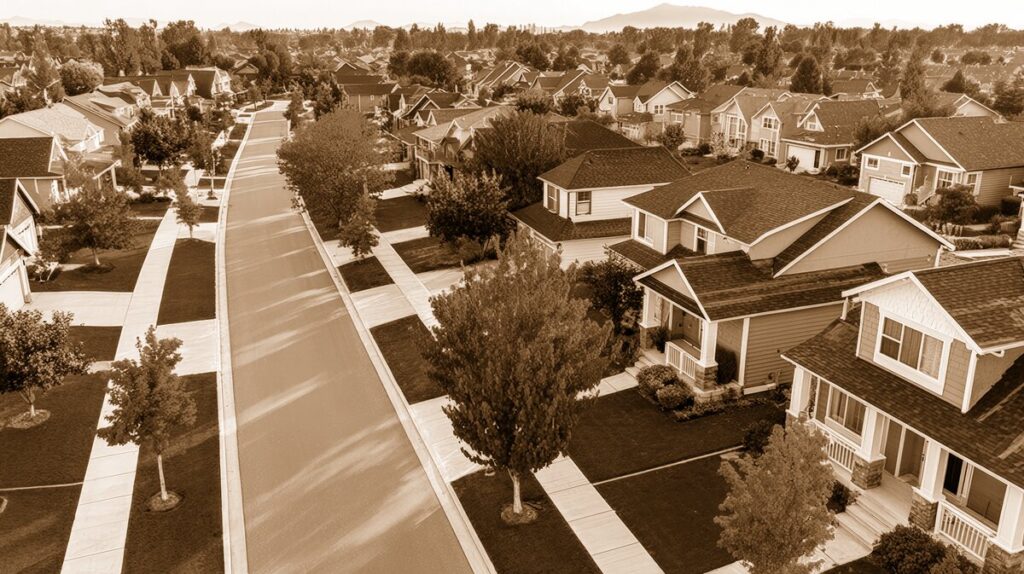
Nestled in the heart of St. Louis Park, the Willow Park neighborhood has long been a testament to the city’s sense of community, history, and suburban charm. While newer residents may know it today for its peaceful tree-lined streets and welcoming parks, Willow Park boasts a rich backstory that has shaped its character for generations. Let’s take a nostalgic stroll through time and uncover what makes this neighborhood so uniquely special.
From Prairie to Neighborhood: The Birth of Willow Park
The origins of Willow Park trace back to the late 1800s, a formative era for the greater St. Louis Park area. Before suburban development, this land was predominantly open prairie, boasting wetlands and stands of native willow trees that lined the banks of a creek meandering through the area. These willows would later give the neighborhood both its signature name and its distinctive atmosphere.
The Minnesota Territorial Railroad’s expansion in the 1880s brought new accessibility to St. Louis Park, gradually attracting homesteaders and early farmers to the Willow Park area. By the early 20th century, the creation of settler plots and the rise of nearby industrial factories encouraged a wave of housing construction. Willow Park evolved from rural landscape to a suburban jewel, with its own sense of identity growing alongside the city at large.
What’s in a Name: The Story Behind Willow Park
It’s impossible to separate Willow Park’s heritage from the willows themselves. Early residents often recall the “whispering trees” that once stood densely along what are now Kentucky Avenue and 26th Street. The abundance of willows in this tract inspired both the name of the local neighborhood association—founded in the 1940s—and the identity of Willow Park itself.
Willow trees, known for their resilience and flexibility, became a fitting symbol for a neighborhood accustomed to change and renewal. These leafy icons became central to community events: schoolchildren wove willow branches into May Day wreaths and early block parties often featured games and races held beneath their sweeping boughs. The enduring presence of willows in the area’s parks, especially in the namesake Willow Park (at 26th Street and Kentucky Avenue), continues to ground the neighborhood in its roots.
Key Historical Milestones
Through the decades, Willow Park’s identity has been shaped by several significant milestones:
- 1920s–1940s: The Suburban Boom — Following World War I, the demand for family housing skyrocketed throughout St. Louis Park. Willow Park’s original bungalows, Cape Cods, and Tudor-style homes began springing up along Kentucky Avenue, Idaho Avenue, and Jersey Avenue, laying the foundation for the neighborhood’s distinct residential character.
- Establishment of Willow Park — In the 1950s, the community successfully advocated for the preservation of its central green space, which officially became Willow Park. The park has served as both a gathering space and a wildlife haven ever since, hosting everything from Fourth of July picnics to nature walks.
- 1960s–1970s: School Pride and Civic Engagement — The nearby Peter Hobart Elementary School, established just east of the neighborhood on Minnetonka Boulevard, became a fixture for countless Willow Park families. This era also saw a flourishing of neighborhood associations, block watches, and local beautification projects.
- Recent Decades: Renewed Vitality — While honoring its heritage, Willow Park has welcomed new generations and thoughtfully adapted to change. Original homes are lovingly maintained or updated, more diverse families have moved in, and beloved traditions like the annual Willow Park Ice Cream Social remain vibrant.
Notable Landmarks and Buildings
Although Willow Park has largely retained its residential character, several spots remain particularly dear to its history and heritage:
- Willow Park — The neighborhood’s namesake park is truly its hub. Featuring a children’s playground, shady walking paths, and the ever-present willows, it’s where neighbors gather for festivities and casual meetups alike.
- Idaho Avenue’s Original Homes — Several houses along Idaho Avenue, built in the 1920s, showcase the classic stucco and brickwork that defined early St. Louis Park architecture.
- Peter Hobart Elementary School — Serving generations of families, this school isn’t just a place of learning, but a cornerstone of neighborhood connection and pride.
- The Oak Knoll Lutheran Church — While technically just outside Willow Park’s defined boundaries, this longstanding institution on Minnetonka Boulevard has long served as a place of worship, community activity, and support for Willow Park residents.
The Evolution of Willow Park
Willow Park’s story is one of gentle transformation, shaped by both tradition and progress. Residents proudly remember block parties, garden clubs, and volunteer efforts that have woven the social fabric of the area. Over the years, the neighborhood has:
- Embraced newcomers, evolving into a delightfully diverse community while still cherishing its roots.
- Maintained and upgraded its parks and public spaces, with ongoing efforts led by the Willow Park Neighborhood Association to preserve the area’s beauty and livability.
- Supported education and youth programs, with school events and activities regularly spilling over into neighborhood parks and backyards.
Today, you’ll still see children biking down the same leafy streets their parents (and even grandparents) once did, dogs chasing frisbees in Willow Park, and elders chatting on front porches on pleasant summer nights.
What Makes Willow Park Special
For those lucky enough to call Willow Park home, it’s the sense of belonging that stands out most. Whether you’re an old-timer with stories of watching the street trees grow, or a newcomer drawn by the friendly neighbors and tranquil setting, the heritage of Willow Park is about more than just landmarks—it’s about community.
- The enduring presence of willow trees, a living connection to the past.
- Generations of families shaping and reshaping the neighborhood’s identity.
- The perfect mix of stability and renewal, always honoring tradition while welcoming new energy.
Willow Park’s past is alive in its present, and its future remains as inviting and dynamic as its sun-dappled streets.